
Aguán News Alert | February 2026
Proposed Bill Puts Campesino Lands at Risk for Agro-Industrial Profit
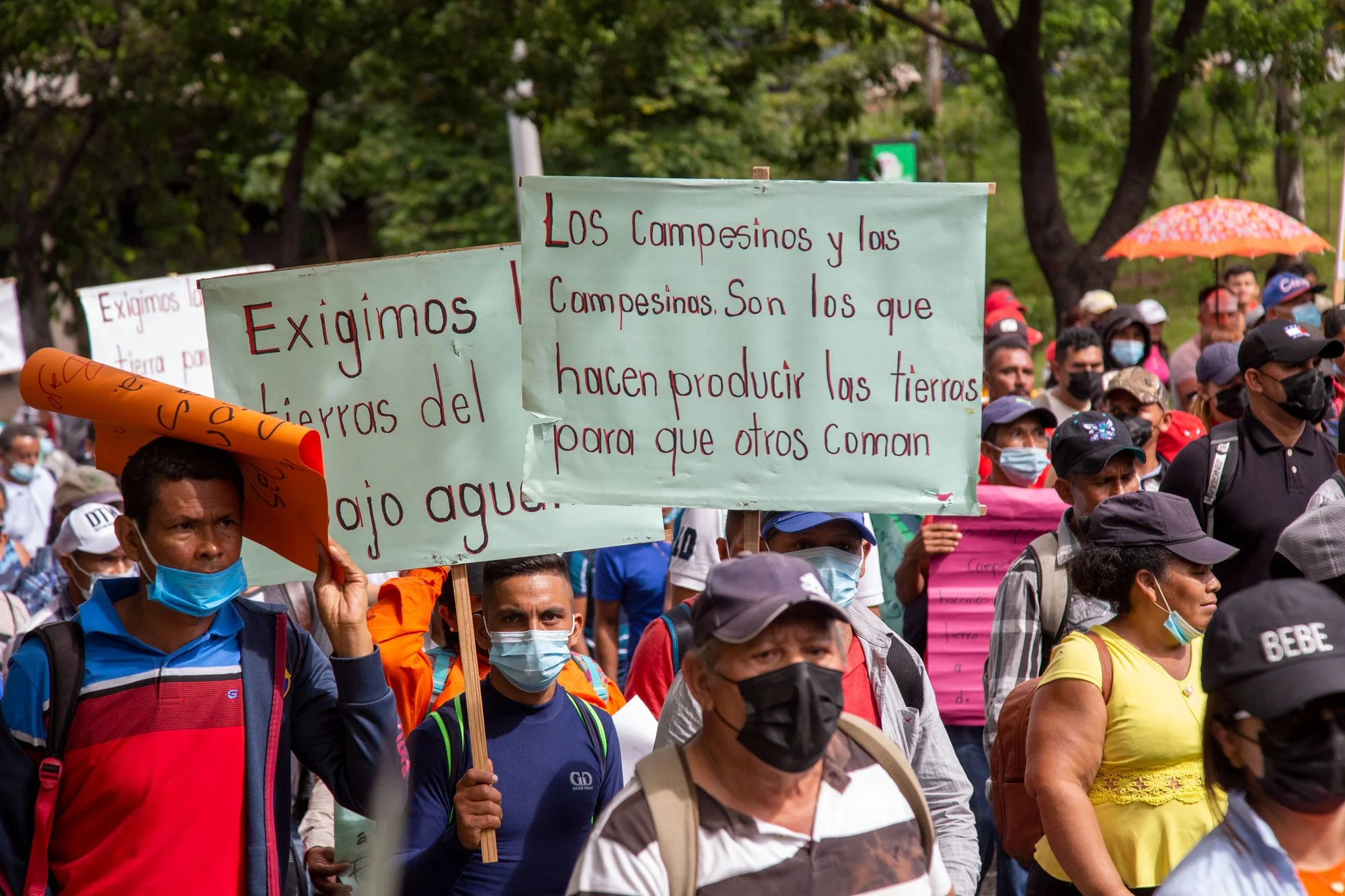
Image credits: Contracorriente
Tocoa, Colón – During the month of February, campesino and grassroots organizations expressed their concern about a proposed bill that could weaken the country’s agrarian reform by preventing the redistribution of certain lands to benefit large agribusinesses. Defenders warn that the proposal could also reduce environmental oversight and facilitate the criminalization of social protest by authorizing the immediate intervention of security forces. The draft law also opens the possibility of preventive evictions, which would effectively harm campesino families.
At the same time, several developments in February highlighted persistent patterns of impunity: proceedings involving Lenir Pérez were delayed, while the killing of Juan López remains without justice.
While these proposed national policies and the ongoing patterns of impunity raise serious concerns about the future of environmental and territorial justice in Honduras, the communities of Tocoa continue to organize to defend their territory and demand justice.
Latest News
Agro-Industrial Bill Could Undermine Agrarian Reform: On February 10, Congressman Eric Alvarado introduced the bill titled "Law for the Strengthening and Protection of the Agro-industrial Sector of Honduras," during a public session of National Congress. If the bill were to pass, land would be prioritized for agroindustrial businesses rather than campesino cooperatives, dismantling agrarian reform principles which note that land should fulfill a social function. The draft bill would also weaken administrative environmental oversight by implementing favorable policies for agro-industrial projects, including shortened review timelines and allowing approvals to proceed automatically if authorities fail to respond within the required period. This reform would also facilitate the criminalization of the agrarian conflict and social protest through the application of specific provisions of the Criminal Procedure Code and Criminal Code. Finally, the law opens the door to mass preemptive evictions of campesino families.
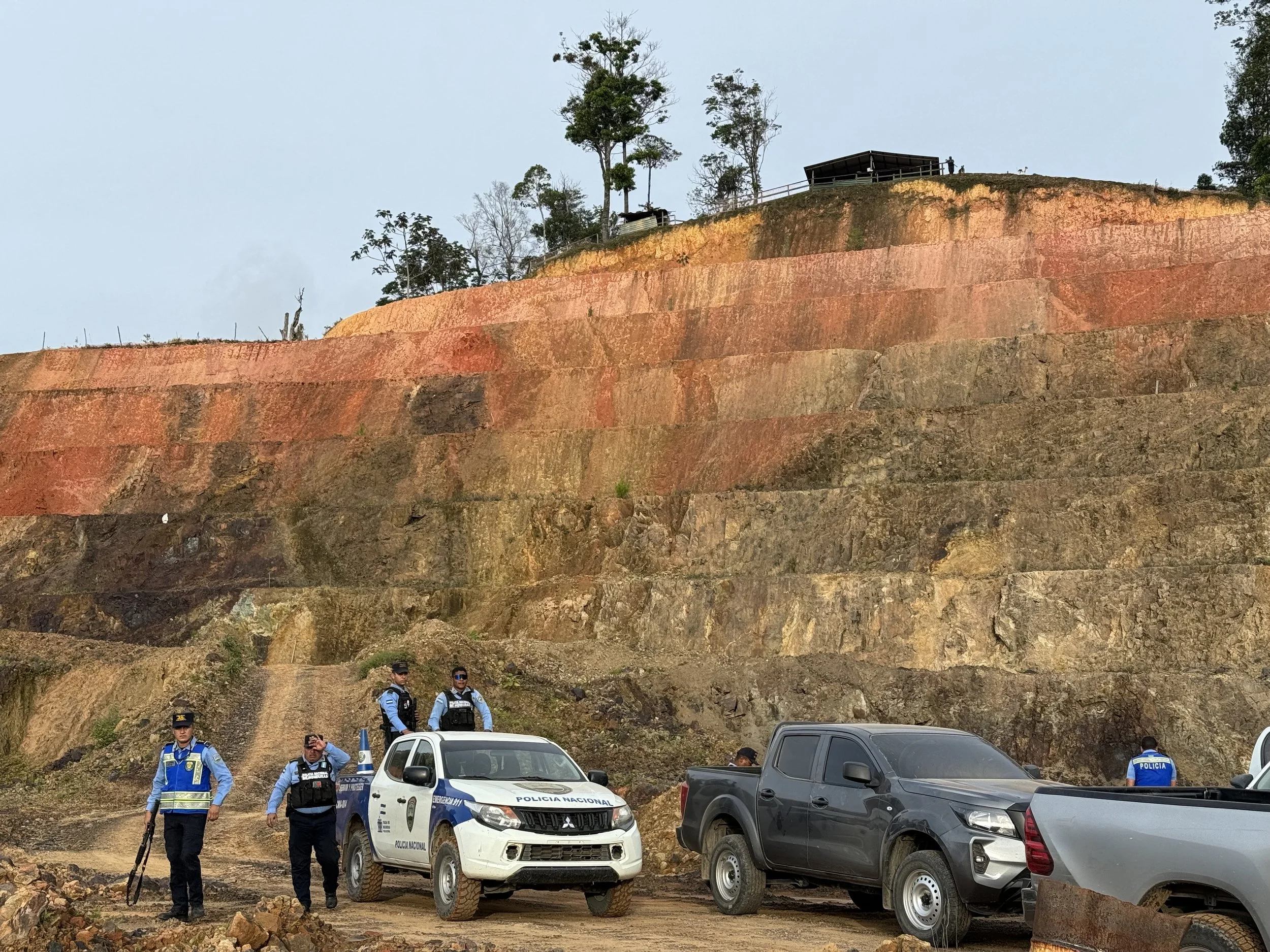
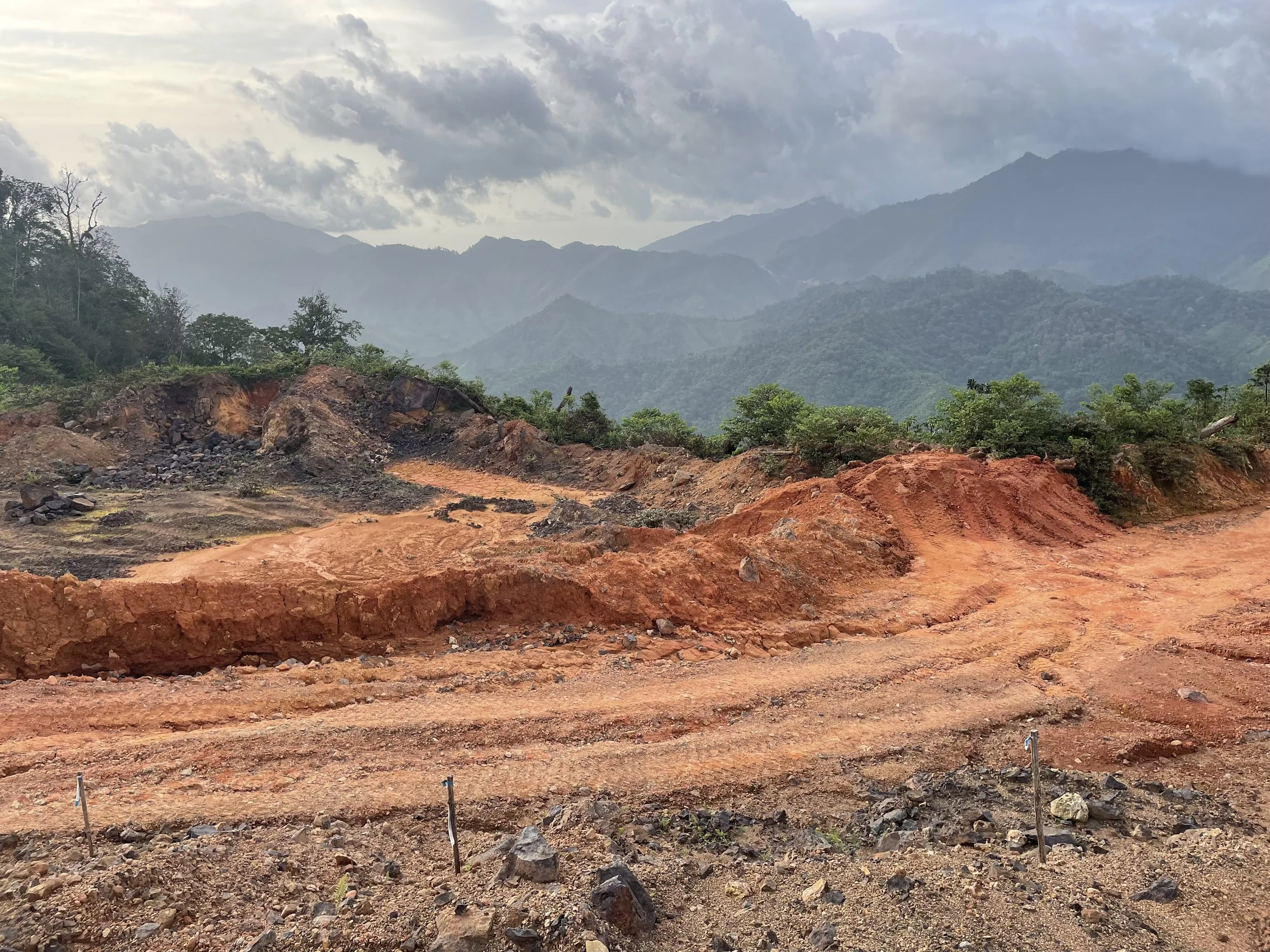
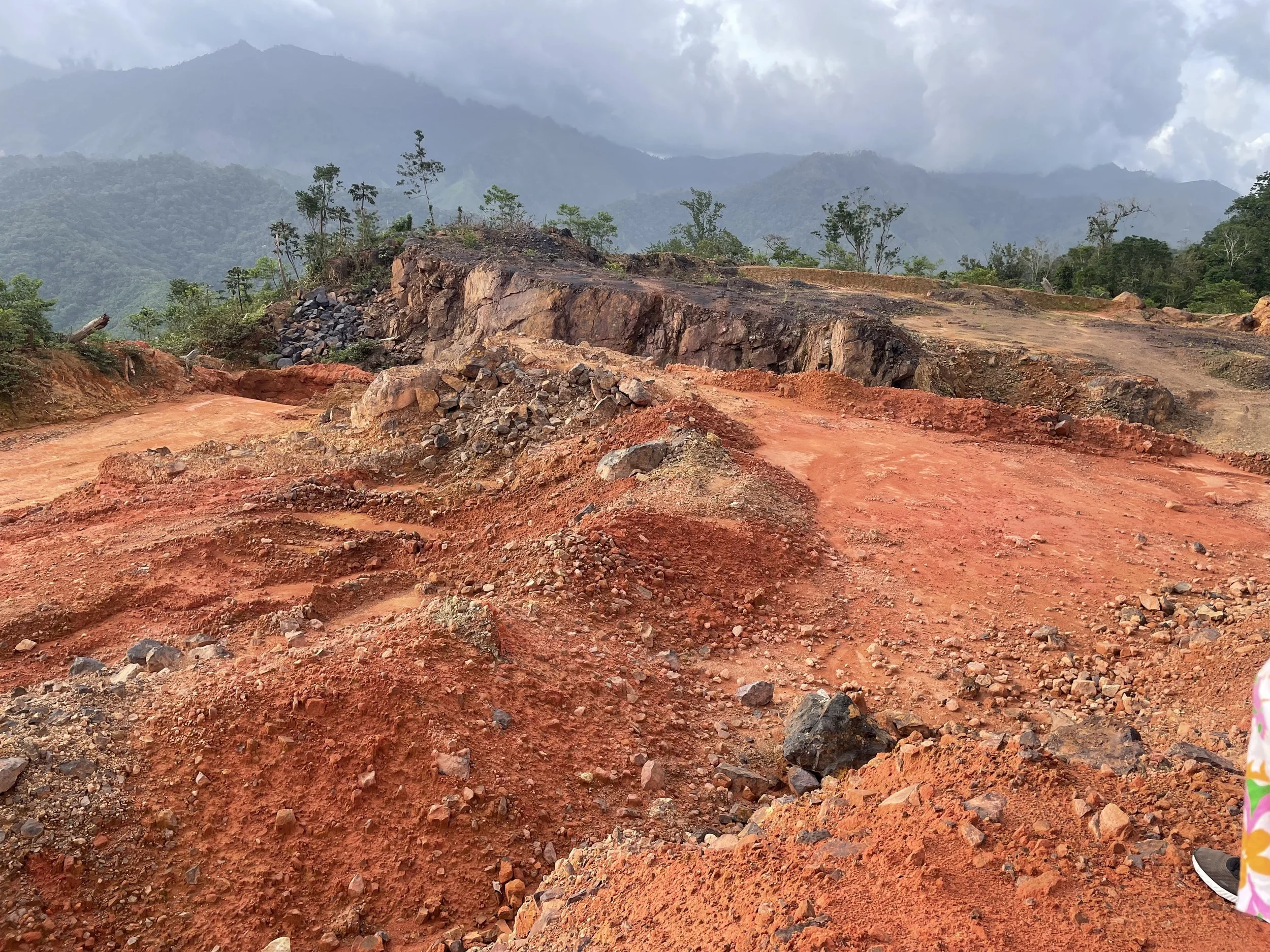
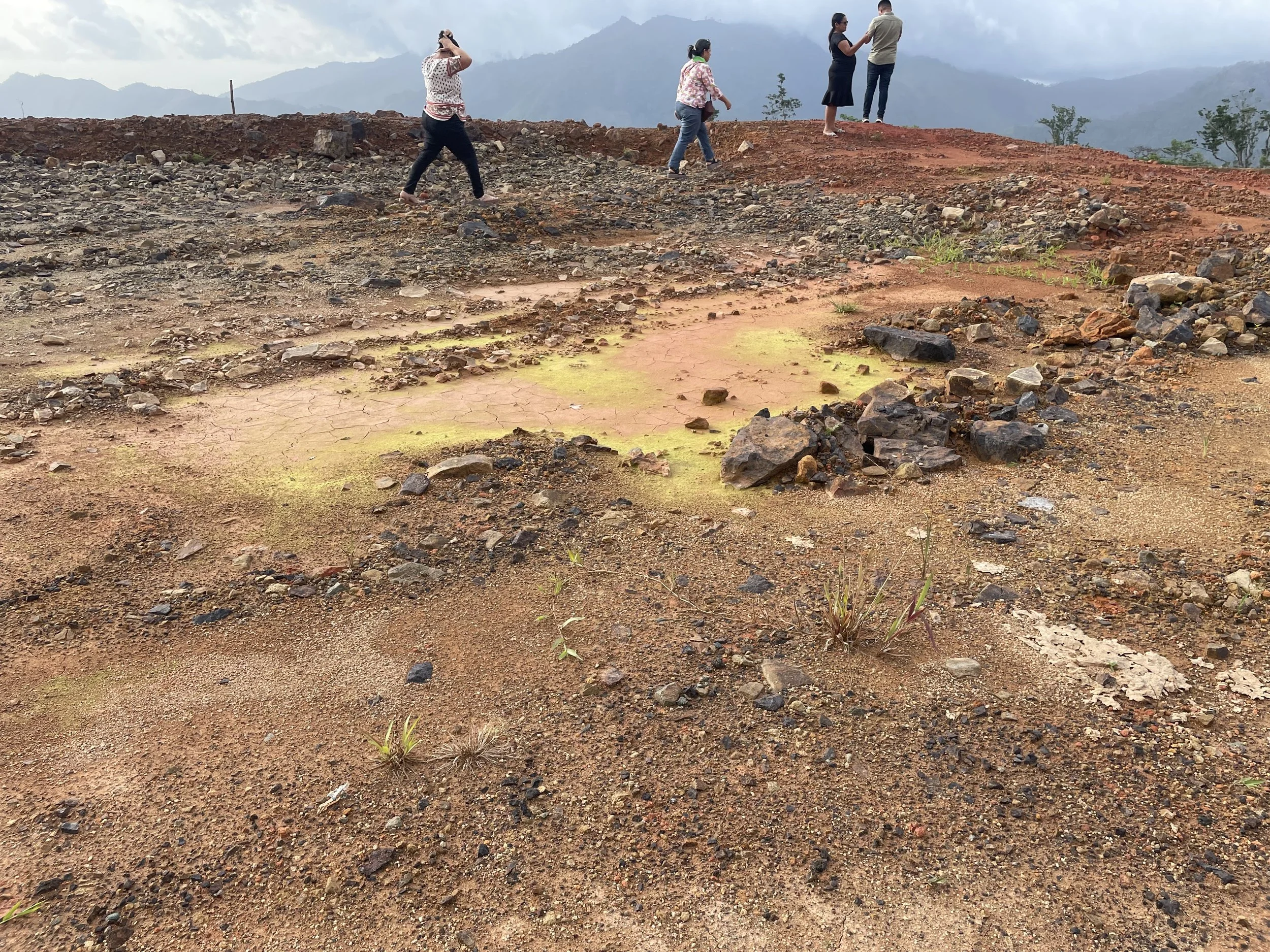
Judicial Delay Raises Concerns in Guapinol Mining Case: The Municipal Committee for the Defense of Common and Public Goods of Tocoa has raised concerns following the second postponement of the plea hearing against Lenir Pérez, the owner of the Pinares mining company. The hearing was rescheduled for March 27, 2026, delaying justice for the affected Guapinol community. The postponement raises concerns about how the Honduran justice system addresses cases involving environmental destruction caused by the extractive industry as well as broader concerns about institutional complicity in impunity. The Committee and other civil society organizations called for greater transparency in the judicial process and for timely accountability processes for the environmental harm caused by the mining company in the Guapinol region.
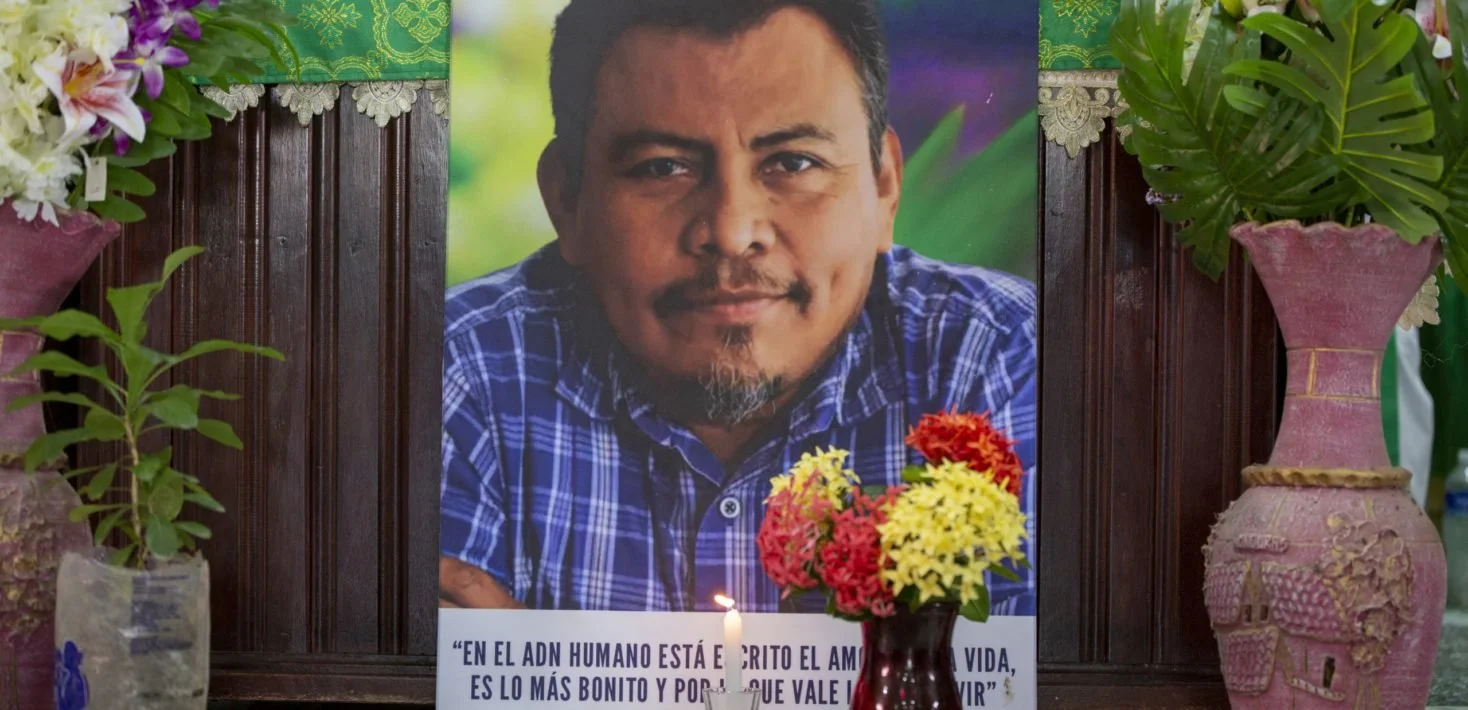
Photo Credits: Contracorriente / Fernando Destephen
Tocoa Community Unites to Demand Justice and Defend the Territory: February 14 marked the 17-month anniversary of the murder of Juan López, a land defender and member of the Municipal Committee for the Defense of Common and Public Goods of Tocoa. The Committee held a meeting with numerous organizations to discuss and organize how they plan to continue demanding justice for López’s murder and against extractive projects. With new national and municipal authorities now in office, community members will continue to demand the cancellation of the Inversiones Los Pinares / Ecotek mining project. Organizations announced plans to advocate and mobilize at both the local and national level to demand accountability for López’s murder and the environmental damage to the Carlos Escaleras National Park.
Juan Lopez: The Voice of the Mountain Documentary: This documentary tells the story of Juan, and his struggle to defend the environment and the rights of his community. Through his voice and of those who walked alongside him, this documentary portrays the courage required to defend the land in the face of threats, silence, and violence.
Historical Context
In the 1990’s, World Bank-led structural adjustment measures transformed the Bajo Aguán region of north-east Honduras from one of the nation’s primary sources of fruits, vegetables and basic grains into an African palm oil monoculture destined for export to insatiable Global North markets. Over the course of this process, thousands of campesinos were dispossessed of their farms to make way for massive palm plantations, owned by a handful of Honduran elite.
Since then, campesino cooperatives have engaged in a multi-decade struggle to recover their land, suffering violent repression by corporate and state entities as a result. The immediate post-coup period was especially brutal, taking the lives of approximately 150 small farmers by 2014. In recent years, many more have been murdered, disappeared, and criminalized. The vast majority of these crimes remain in impunity.
