
Aguán News Alert | December 2025 - January 2026
Continued violence in the Aguan amidst a contentious presidential election in Honduras
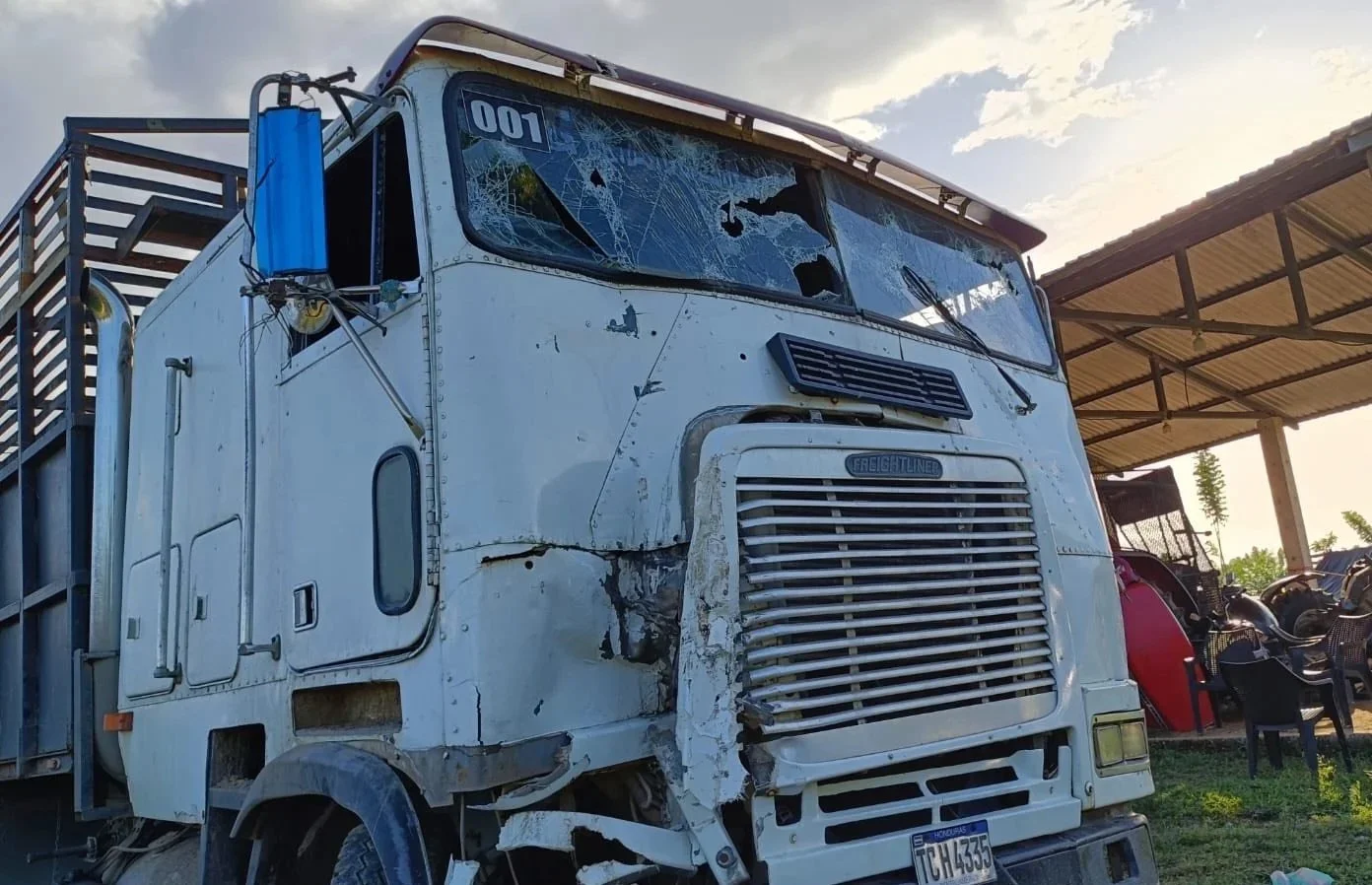
Image credits: Plataforma Agraria.
Tocoa, Colon.- During the month of December, Honduran grassroots organizations rejected the interference of US President Donald Trump in the Honduran electoral process. Trump favored the National Party candidate, Nasry Asfura, in an act that violated the right to self-determination of the Honduran people. In January, Asfura assumed the presidency of Honduras amid strong accusations of electoral fraud.
The rights of organized campesino families continue to be violated by the criminal groups “Los Cachos” and “Los Pechugas.” In December, the National Police and the Executing Judge were unable to carry out the eviction of “Los Cachos,” who are illegally occupying the Camarones Cooperative's farm. This criminal group is also accused of being responsible for the murder of Roger Castillo, a member of the Camarones Cooperative. Meanwhile, in January, the criminal group “Los Pechugas” evicted the families of the 9 de Agosto Cooperative from their farm, but they were able to return after the Military Police expelled “Los Pechugas.” During the attack, Marvin Ramírez Ramos, a member of the cooperative, was murdered by the criminal group.
At the hearing for the presentation of evidence in the Juan Lopez murder case, the court set a date for the public trial against the three people accused of committing the crime against the environmental defender. The trial will be held in June 2026.
Latest News
Failed Police Operation to Carry Out Eviction of “Los Cachos” Criminal Group: On December 8, a police operation attempted to enforce an eviction order issued by a national jurisdiction judge against the “Los Cachos” criminal group, who were illegally occupying land belonging to families organized in the Camarones Cooperative. However, the police force and the executing judge were unable to carry out the eviction after protesters from Quebrada de Arena, in support of the “Los Cachos” group, began throwing stones and injuring the farmers who were attempting to reoccupy the land. Among the dozens of injured was Wendy Castro, sub-coordinator of the Agrarian Platform, who was accompanying the families of the Camarones Cooperative. Instead of protecting the farming families during the wave of attacks, the police withdrew, leaving them defenseless. The families organized under the Camarones Cooperative have been unable to access their land since December 24, 2024.
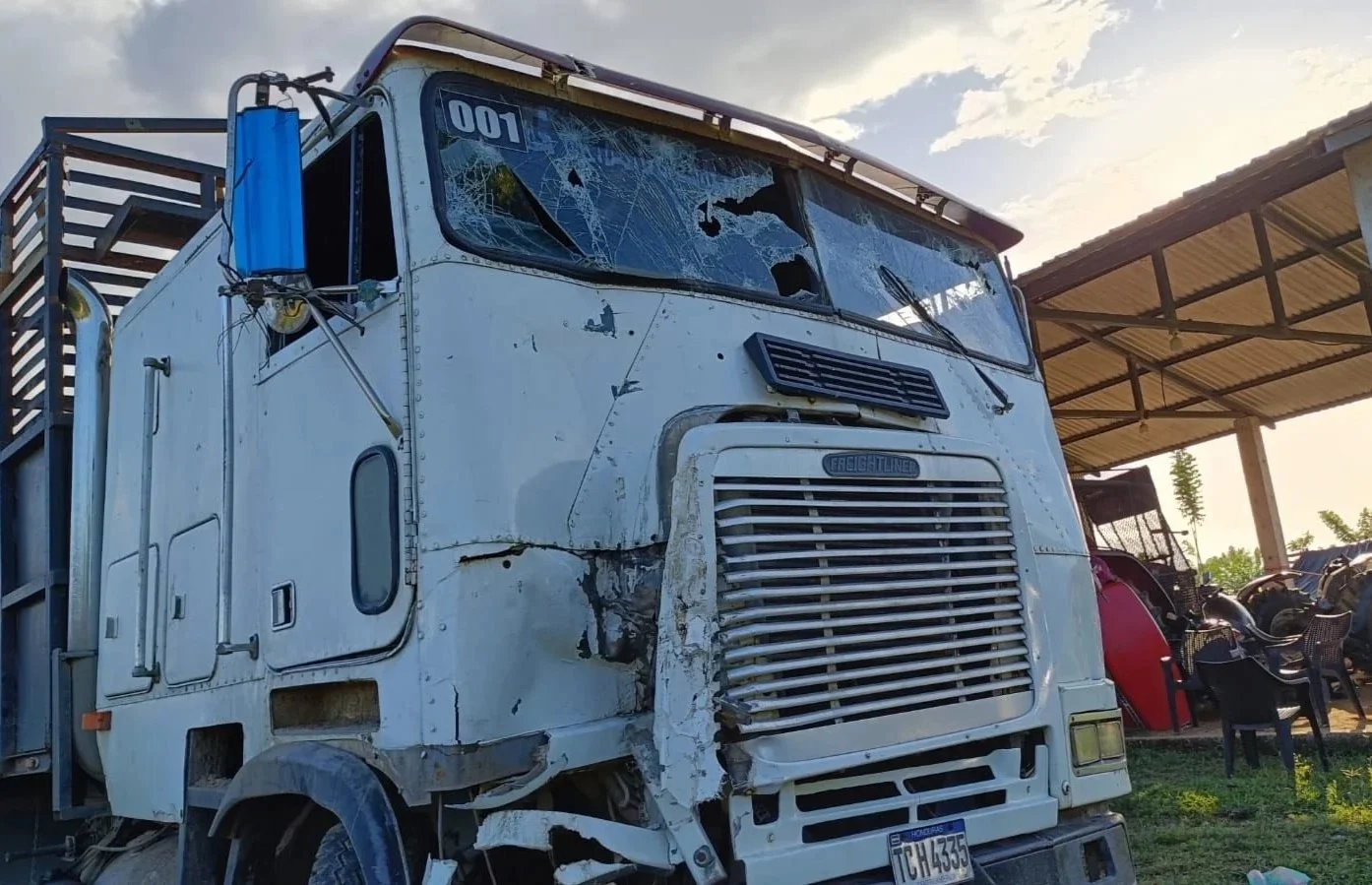
Image credits: Plataforma Agraria.
Murder of a member of the Camarones Cooperative: On December 13, Roger Castillo Fuentes, a member of the Camarones Cooperative, was murdered by individuals linked to the criminal group “Los Cachos.” The Agrarian Platform denounces that “Los Cachos” has been hired and protected by the agribusiness company Corporación Dinant for the purpose of displacing cooperatives and persecuting and murdering farmers who fight for their land.
Incitement of violence against Yoni Rivas and the Plataforma Agraria continues: On January 2, the Plataforma Agraria released a statement denouncing death threats against Yoni Rivas, the organization’s spokesperson. An effigy of Rivas was burned and smashed, accompanied by a sign that read “for invading lands”, in the community of Quebrada de Arena, Tocoa. Media outlets echoed these messages of hate, accusing Rivas of invasion and destruction and calling him a “supposed human rights defender.” According to the Plataforma’s statement, “Dinant Corporation intends to hide their responsibility and attribute these actions to the Quebrada de Arena community, while media outlets share messages of hate to create a favorable scenario for the criminal group Los Cachos to carry out the assassination of our colleague or the Plataforma Agraria… It is the Dinant Corporation that calls us [invaders], because of our demand for our right to the land.”
Cooperativa El Chile celebrates its 3rd anniversary: On January 5, the El Chile Cooperative celebrated three years of continued presence on their land. Families of the cooperative gathered to celebrate their continued struggle, more than thirty years after the seizure of the land by the Facussé family.

Image credits: Cooperativa Camarones Ltda.
GIEI releases its final report on the murder of Berta Cáceres: On January 10, the Inter-American Commission on Human Rights’ Interdisciplinary Group of Independent Experts (GIEI in Spanish) released their 530-page final report on the 2016 assassination of Lenca environmental activist Berta Cáceres. The report found that corporate actors used funds provided by European and US development banks for the Agua Zarca dam project to finance Caceres’ murder. The report is groundbreaking in detailing the mechanisms by which private actors were the primary drivers of violence inflicted on Berta Caceres and Lenca communities. This is important because for decades, organized groups in the Aguan Valley have denounced agroindustrial companies, once financed by World Bank loans, of driving violence against campesinos in the region.
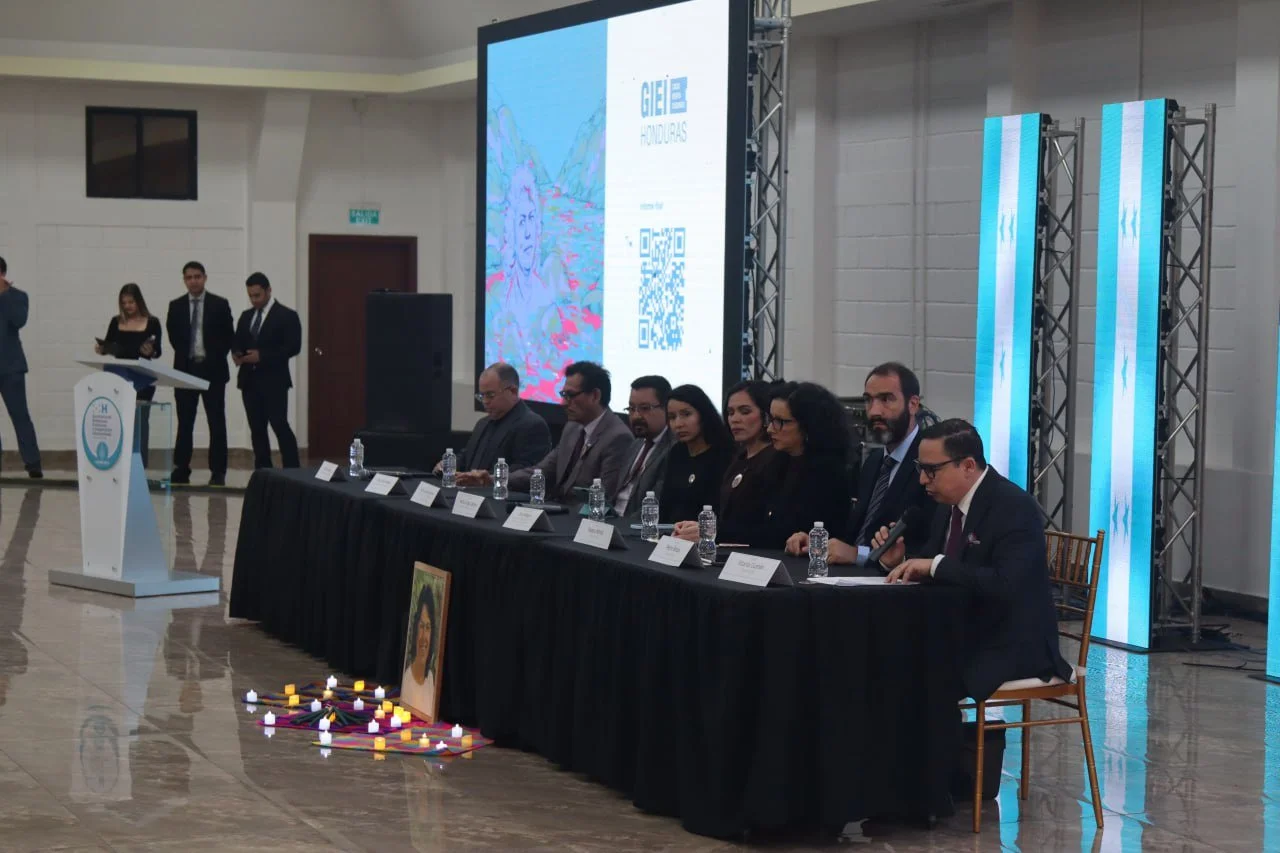
Image credits: COPINH.
13 cooperatives in the Aguán Valley obtain legal status: In a significant victory for the decades-long struggle of campesinos in the Bajo Aguán Valley, on January 15, thirteen cooperatives were granted legal status from the National Council for the Supervision of Cooperatives (CONSUCOOP in Spanish), recognizing their legal existence and legitimizing their claim as owners of their agrarian reform lands. This new recognition comes amid a renewed wave of violence against peasant cooperatives. The attacks on January 18 against the Nueve de Agosto Cooperative occurred just three days after they were granted legal status.
Armed groups attack Cooperativa Nueve de Agosto and assassinate a Cooperative member: On the night of January 17th, the armed criminal group Los Pechugas attacked the Nueve de Agosto cooperative and displaced 46 campesino families. During the attack, guns were fired at multiple families, multiple families were forcibly removed from their homes, and women and children were threatened at gunpoint. While the Military Police expelled the armed group and allowed families to return to their homes the next morning, at least two families have left the cooperative out of fear for their lives. During the attack, Marvin Ramirez Ramos, a member of the cooperative, was murdered. This comes amidst recent attacks on other cooperatives; since 2024, the groups Los Pechugas and Los Cachos have murdered at least 19 campesinos. The attack was condemned by the UN Office of the High Commissioner on Human Rights, as communities across the Aguán demand that state forces act decisively to dismantle the criminal groups threatening cooperatives.
Justice for Juan Lopez & Carlos Escaleras National Park
Evidence hearing in the Juan Lopez case: 16 months have passed since the murder of Guapinol environmental defender Juan Lopez. On January 8, a hearing for the presentation of evidence was held in Tegucigalpa. Public oral trials were scheduled for June 2026 for three individuals accused of murder and conspiracy to commit a crime against Juan Lopez. While the legal process against the hitmen is progressing slowly, there is no progress in clarifying and investigating the masterminds of his murder.
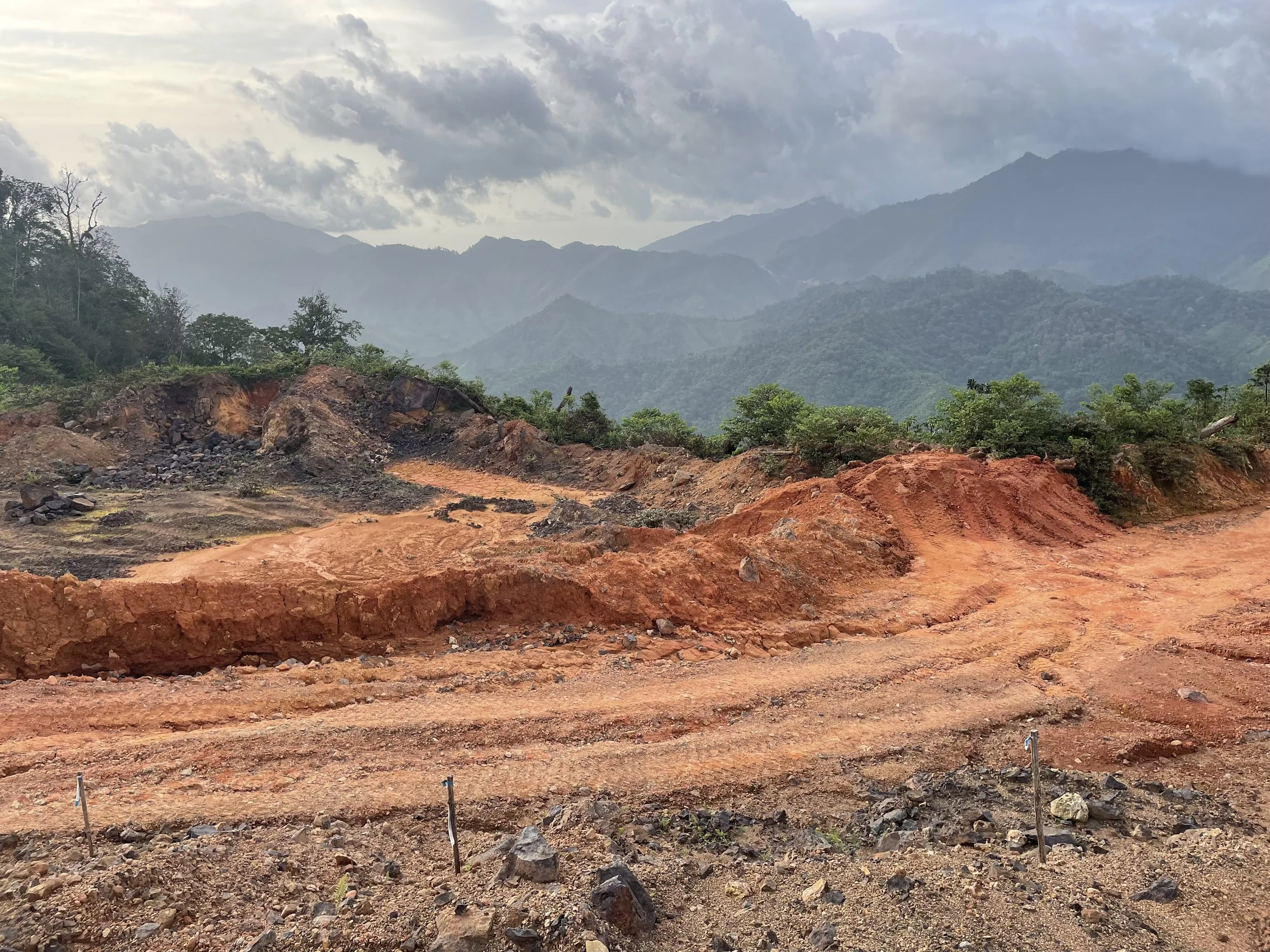
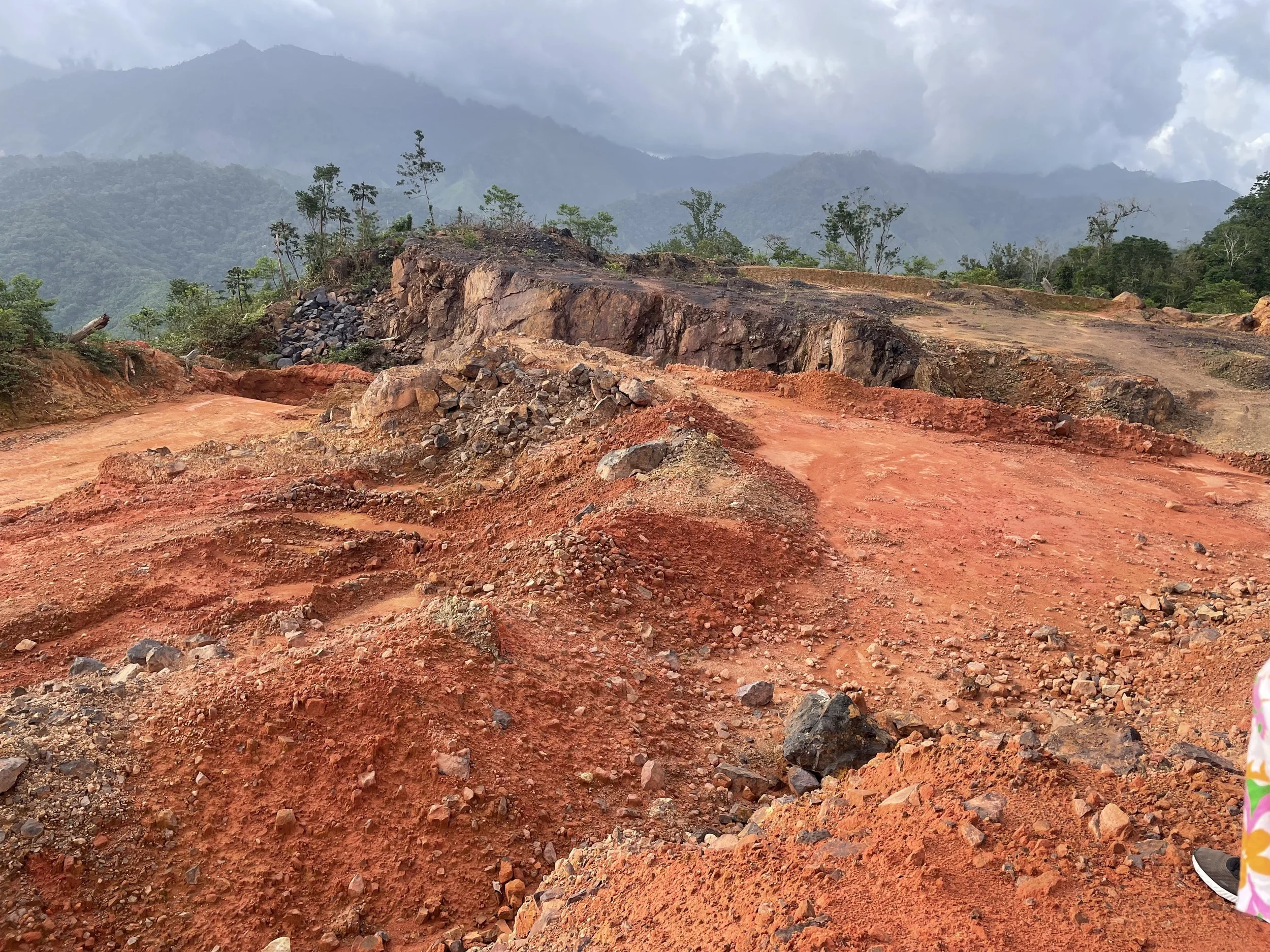
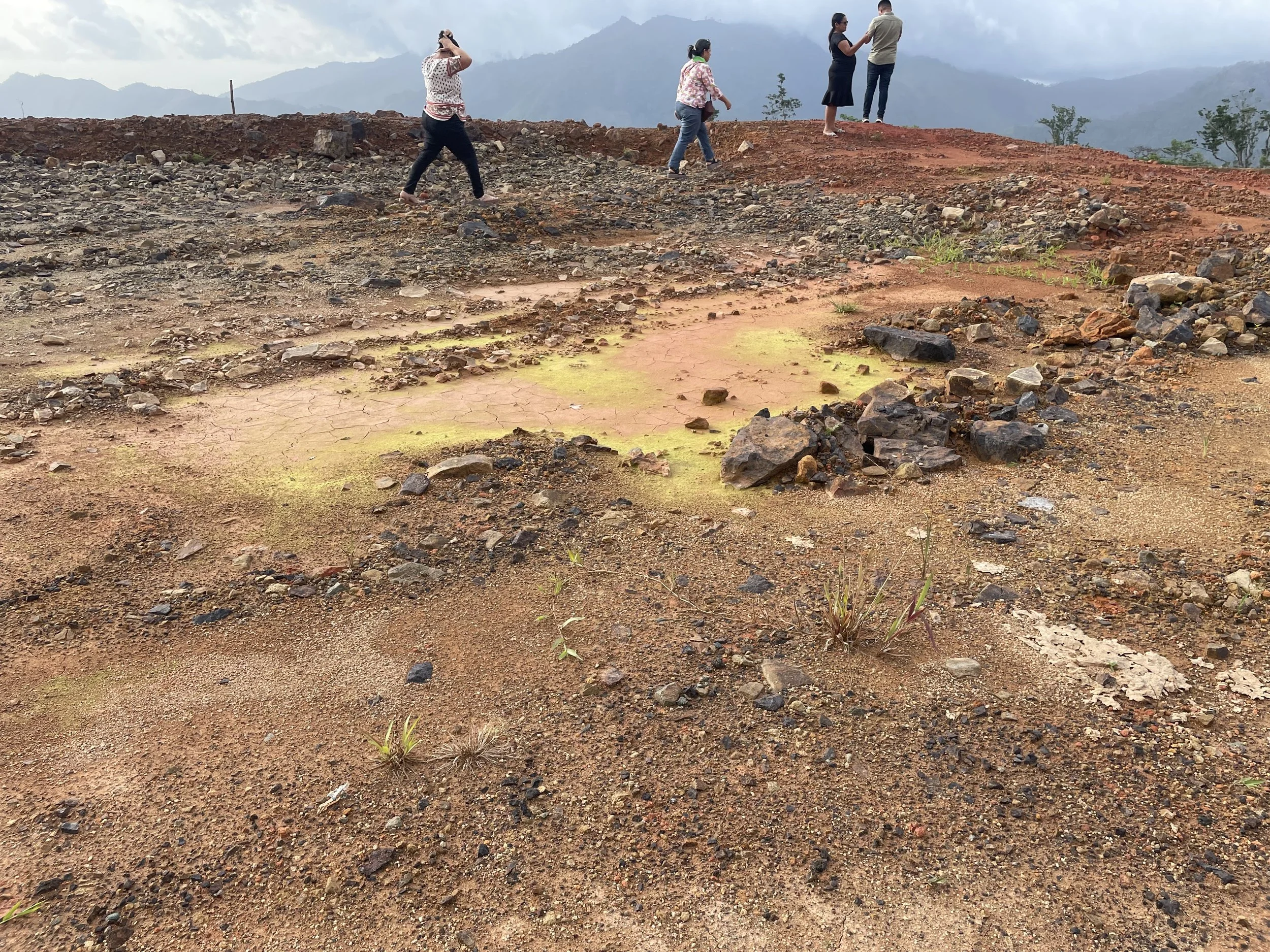
Impunity for Lenir Pérez: On January 13, an ad hoc hearing took place where Lenir Perez’s legal representative requested the removal of his arrest warrant and migration alert as a condition to assist his arraignment. The judge approved the request, and set the hearing date on January 30th with the condition that Perez had to be present, otherwise both alerts would be reactivated. Nonetheless, Pérez’s lawyer notified that he wouldn’t be present on Jan 30th and requested a reschedule. The court subsequently postponed the hearing to February 13, and did not reactivate either alert, raising severe concerns about due process in this case. Pérez is facing trial for the illegal and unlicensed exploitation of natural resources and for the pollution of the San Pedro and Guapinol rivers.
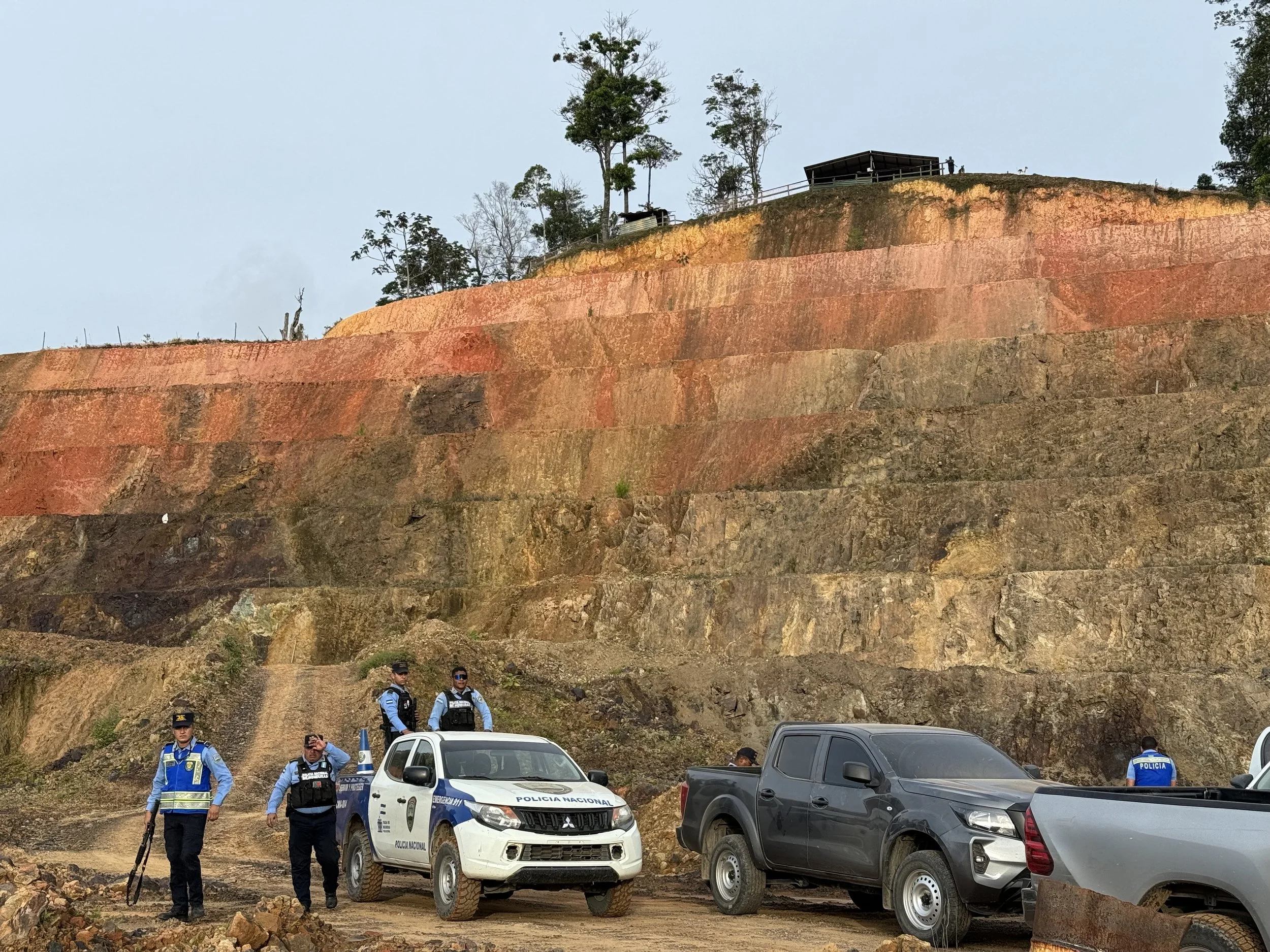
Honduran Elections, Intervention & Solidarity
Rejection of US interference in the Honduran electoral process: Popular, campesino, worker, and indigenous organizations spoke out against US interference in the November 2025 general elections. The organizations also rejected the US's "hypocritical fight against drug trafficking," confirmed by the release of Honduran drug-trafficking dictator Juan Orlando Hernández.
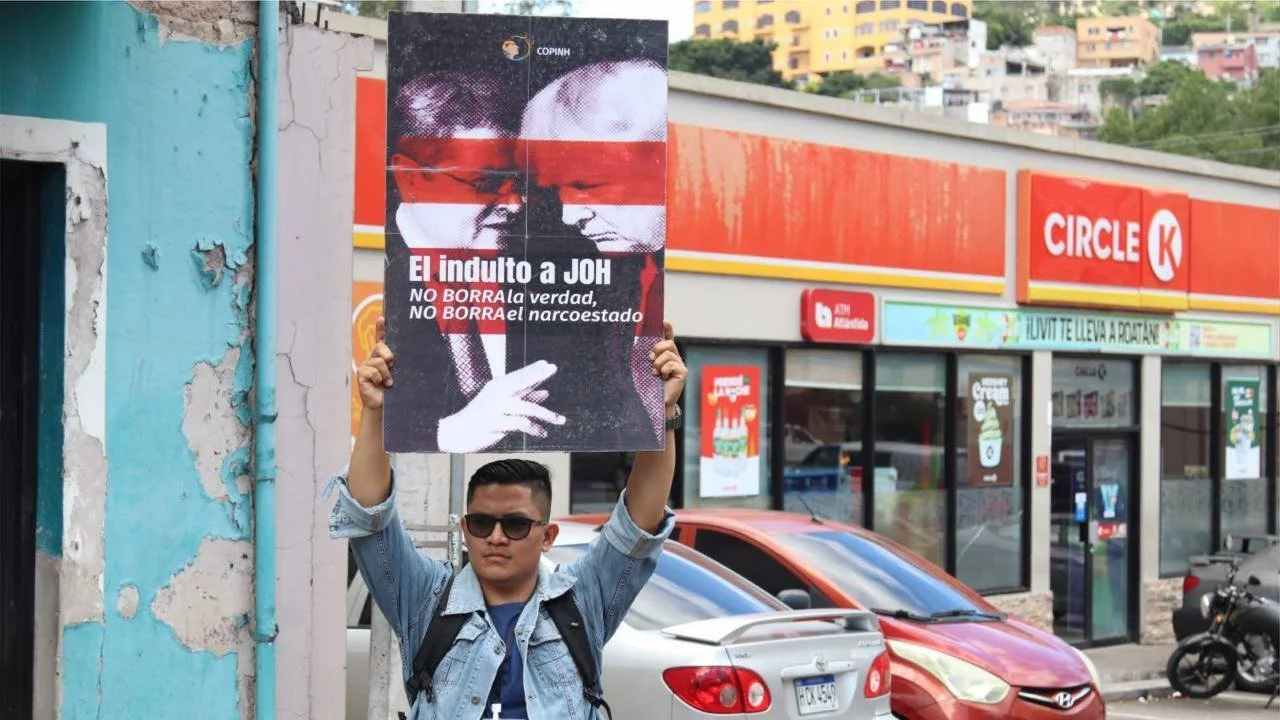
Image credits: COPINH.
Groups in the Aguán and beyond express solidarity with the people of Venezuela: In the wake of the bombing of Caracas and the capture of Venezuelan President Nicolas Maduro by the United States on January 3, the Plataforma Agraria joined other social movements in Honduras at a protest in front of the US embassy in Tegucigalpa. The action condemned the imperialist interventions and demanded sovereignty for the peoples and lands of Latin America, from Venezuela to Honduras and beyond.
Nasry Asfura inaugurated as president: On January 27, amidst allegations of electoral fraud and the blatant intervention from the United States, Nasry Asfura was inaugurated and assumed the presidency of the Republic of Honduras, returning the National Party to power after four years of Libre government under Xiomara Castro. In his inaugural address, Asfura emphasized policies of “decentralization” and the “reduction of the state,” including a possible move towards increased privatization.
Historical Context
In the 1990’s, World Bank-led structural adjustment measures transformed the Bajo Aguán region of north-east Honduras from one of the nation’s primary sources of fruits, vegetables and basic grains into an African palm oil monoculture destined for export to insatiable Global North markets. Over the course of this process, thousands of campesinos were dispossessed of their farms to make way for massive palm plantations, owned by a handful of Honduran elite.
Since then, campesino cooperatives have engaged in a multi-decade struggle to recover their land, suffering violent repression by corporate and state entities as a result. The immediate post-coup period was especially brutal, taking the lives of approximately 150 small farmers by 2014. In recent years, many more have been murdered, disappeared, and criminalized. The vast majority of these crimes remain in impunity.
