
Aguán News Alert | March 2026
Popular Movements Resist Amid Shifting Power Dynamics
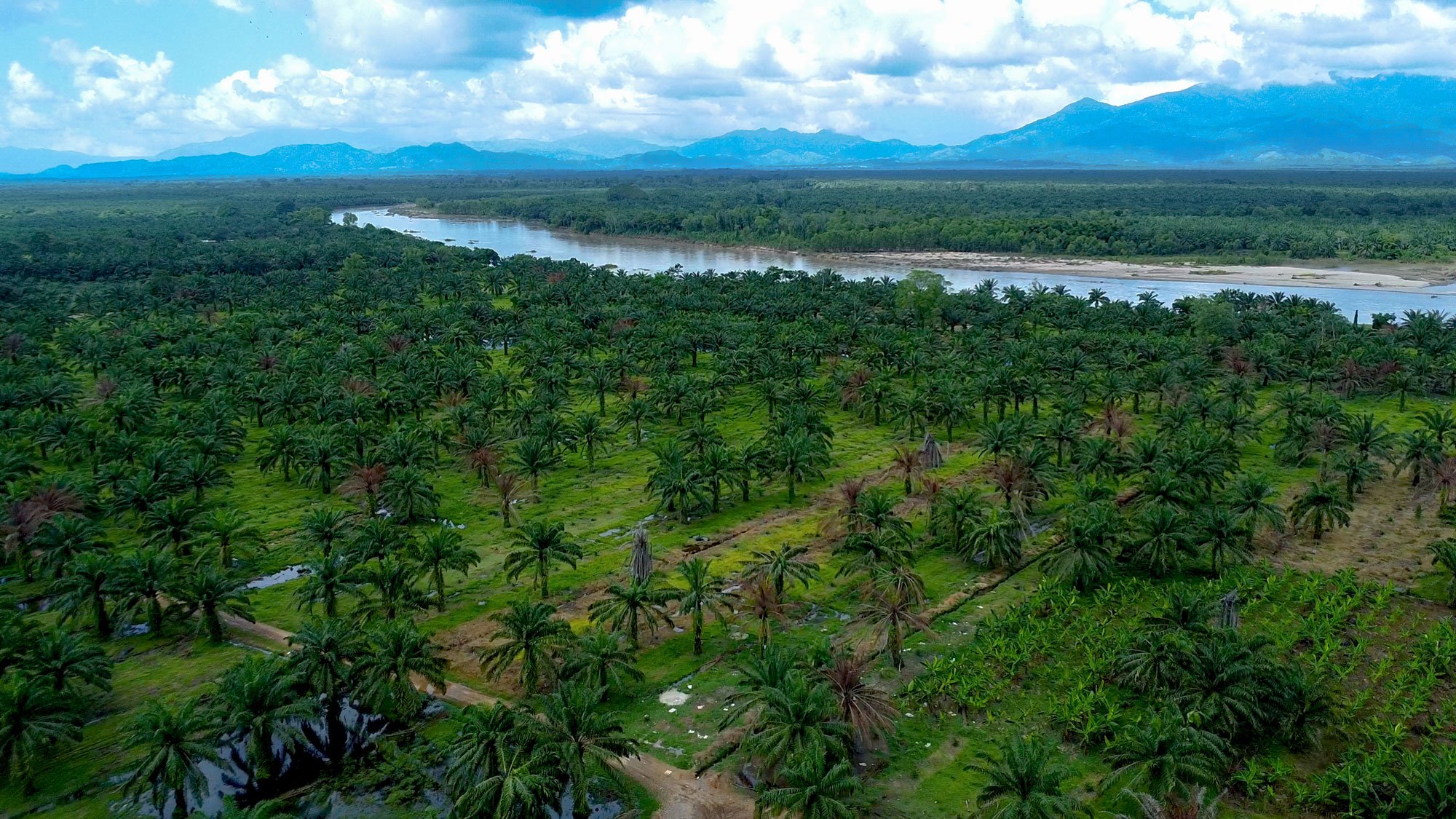
Aguan River from the Tranvio Cooperative (Image Credit: Seth Berry)
Tocoa, Colon - The month of March was marked by continued violence, institutional failures, and persistent impunity in the Bajo Aguan region of Honduras. Armed actors attacked the Tranvio Cooperative, continuing a pattern of violence that has targeted the Tranvio and neighboring cooperatives since December 2024. The UN's annual human rights report underscored the severity of the crisis, revealing that 13 (70%) of the 17 human rights defenders killed in Honduras in 2025 were campesinos from the Bajo Aguan or their family members. Meanwhile, the murders of campesino leader Santos Rivas and his son, as well as the disappearance of Francisco Pascual Lopez, remain unresolved, reflecting the deep impunity that characterizes the more than 200 assassinations in the region.
On the institutional and political front, campesino organizations mobilized against a draft bill they argue would undermine agrarian reform by privileging agroindustrial interests and criminalizing social protest. The delayed appointment of a new director of the National Agrarian Institute (INA) drew criticism from campesino groups concerned about the paralysis of land titling processes that exacerbate ongoing conflicts. Congressional impeachment proceedings against the former Attorney General revealed interference with the prosecution of suspects in the murder of environmental defender Juan Lopez, though human rights organizations and local committees denounced the political instrumentalization of the case. Additionally, after more than a year of avoiding court summons, businessman Lenir Perez appeared in court to answer for environmental crime charges.
Latest News
Attack on the Tranvio Cooperative: On March 1, armed actors attacked the Tranvio Cooperative where over a hundred families live. In December 2024, the armed group “Los Cachos” forcibly displaced the Camarones Cooperative and have been attempting to do the same to neighboring Tranvio and El Chile ever since. Attacks continue despite the arrest and prosecution of various members of “Los Cachos” for their attacks on the three cooperatives.
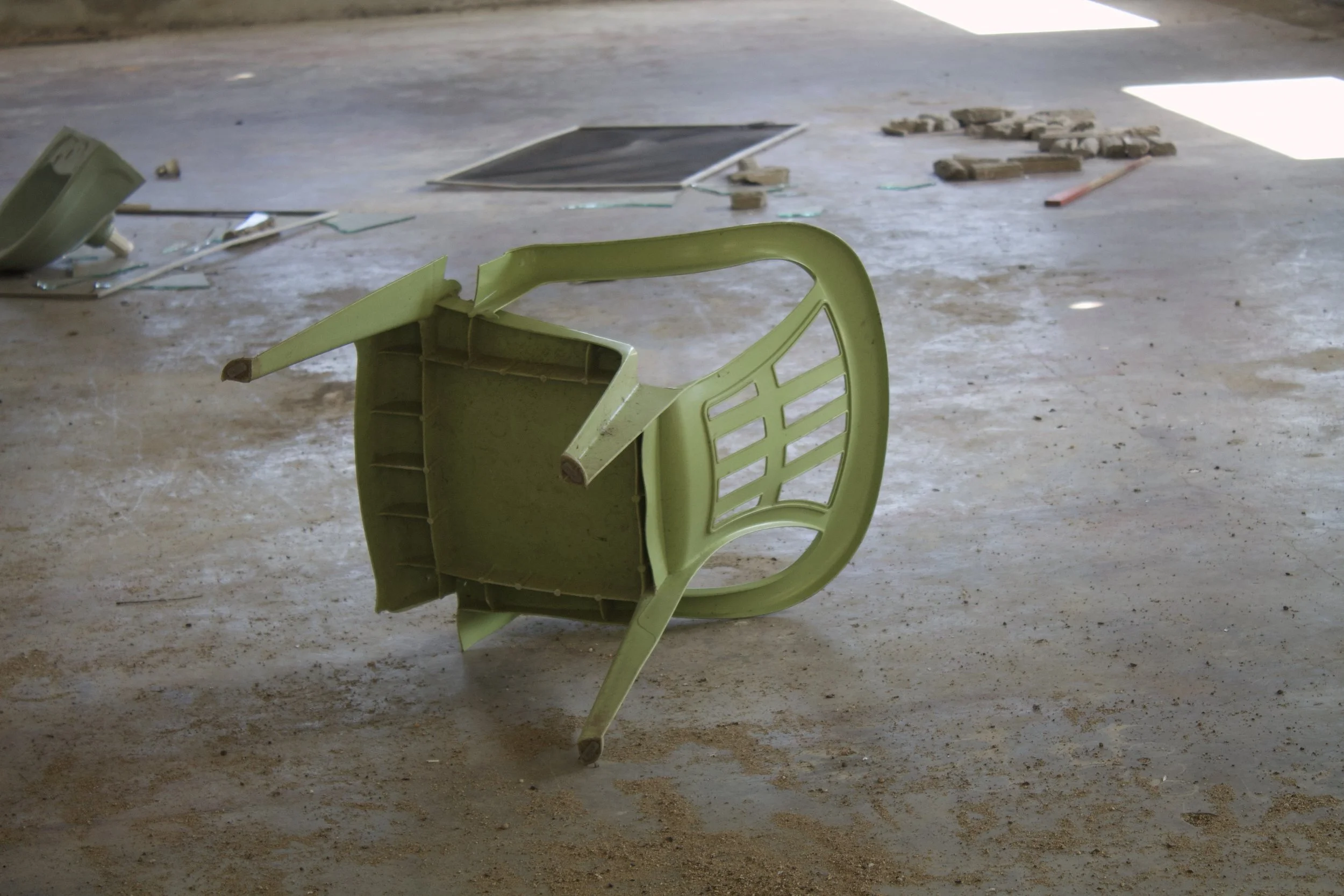
Image of the small corner store in the “El Chile” Cooperative, after being destroyed by armed group “Los Cachos.” (Image Credit: Calan Institute)
Campesino Denounce Bill Undermining Agrarian Rights: The Campesina, Indigenous, & Popular Alliance of Honduras (Alianza Campesina, Indigena y Popular de Honduras - ACAINPH) travelled to the National Congress on March 4 to denounce a draft bill entitled the “Law for the Strengthening and Protection of the Agro-industrial Sector of Honduras.” In a communique, the Alliance decried the privileging of agroindustrial business interests and the criminalization of legitimate social defense work and protest. They note that many of the bill’s provisions are unconstitutional and if passed, would significantly compromise the objectives of constitutionally mandated agrarian reform. For more analysis, see this publication by ContraCorriente.
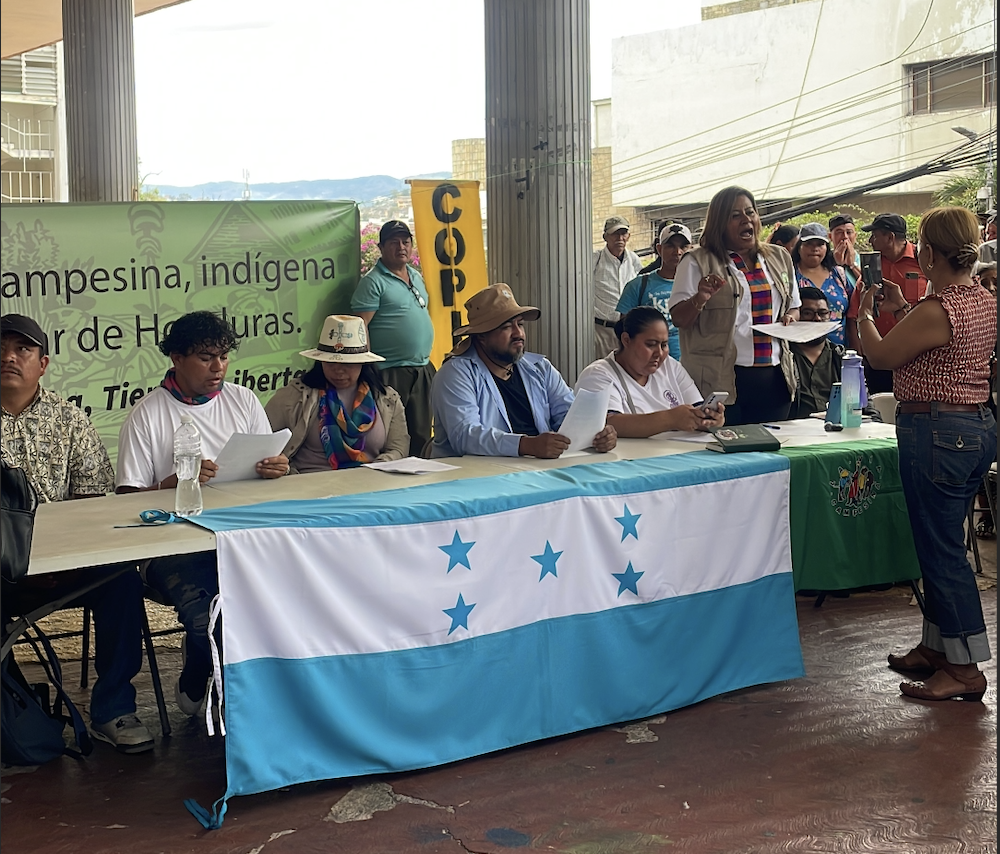
ACAINPH in press conference. (Image Credit: Calan Institute)
International Organizations Visit the Bajo Aguan: On March 6, the Plataforma Agraria acknowledged a visit from international organizations Peace Watch Switzerland (PWS) and the German Christian Initiative Romero. The group met with regional institutions to discuss the risks facing cooperatives organized with the Plataforma Agraria. Spokesperson for the Plataforma Agraria, Yoni Rivas stated that the organization wants to make clear to the newly inaugurated national government that the land recuperation movement of the Bajo Aguan is a rights-based struggle, supported by the Honduran Constitution, national laws, and ratified treaties as well as recommendations made at the international level by the Inter-American Commission on Human Rights and through the UN Universal Periodic Review (UPR) process. Rivas states that they remain committed to transforming the region into one of peace and development.
UN Presents Annual Human Rights Report: On March 8, the Plataforma Agraria acknowledged the release of the UN’s annual human rights in Honduras report. The report documents that of the 17 human rights defenders that were killed in 2025, 70% (13 people) were campesinos from the Bajo Aguan or their family members. The report also denounced attacks on three cooperatives (Camarones, El Chile, and Tranvio) and the continued displacement of more than 150 families belonging to the Camarones Cooperative. It further calls on the state of Honduras to honor its commitment to establish a Truth Commission that would investigate widespread human rights violations in the region.
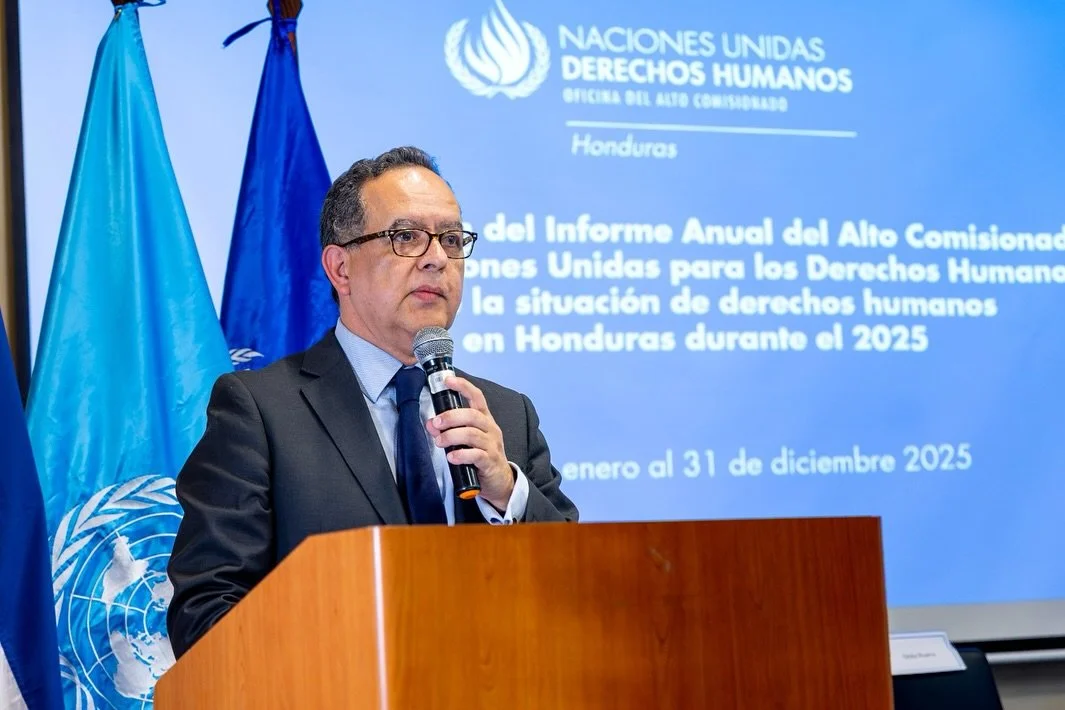
Presentation of the annual report of the OHCHR (Image Credit: OACNUDH)
Fifteen Year Anniversary of the Disappearance of Francisco Pascual Lopez: In May 2011, member of the Rigores Campesino Movement, Francisco Pascual Lopez, was shot multiple times while at the Paso Aguan farm and subsequently disappeared. On March 10, Pascual Lopez’s family, alongside national human rights organizations, held an event in Tegucigalpa to discuss efforts to secure justice for the disappearance. Groups noted that despite advocacy at the national and international level, state investigators closed the case on October 31, 2025 and reaffirmed the decision on December 9, 2025.
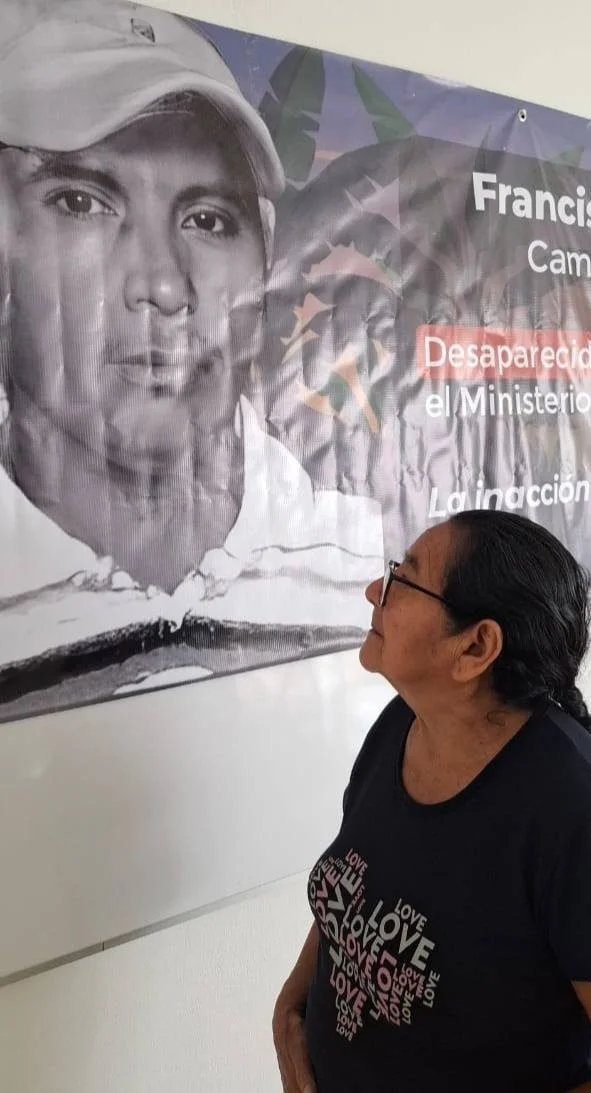
Jovina López has spent the last 15 years without knowing the whereabouts of her son, Francisco Pascual (Image Credit: Diario Colon HN)
New Director of the National Agrarian Institute Appointed: On March 13, the Asfura administration appointed Javier Talavera as the new director of the National Agrarian Institute (Instituto Nacional Agrario - INA). The appointment occurred shortly after campesino organizations denounced that the position remained vacant more than a month after the inauguration of Honduran president Nasry Asfura. Campesino groups noted that the paralyzation of INA further exacerbates the backlog of land titling and adjudication requests that underlie many of the land conflicts affecting the country.
Impunity for Murder of Santos Rivas: It’s been three years since the assassination of campesino leader Santos Rivas and his son Danny Javier Rivas. Yet, according to ContraCorriente, the investigation by the Public Prosecutor’s Office (Ministerio Publico - MP) remains in the preliminary stage. Santos Rivas was the founder of the Campesina Associative Company of Production Gregorio Chavez (Empresa Asociativa Campesina de Producción (EACP) Gregorio Chávez). His murder and that of his son joins the more than 200 assassination in the Bajo Aguan that remain in impunity.
Medical Brigade Visits Bajo Aguan: On March 19, a medical brigade composed of international organizations and state institutions visited the El Chile Cooperative to deliver urgent medical care. The visit occurred as El Chile and its members remain at high risk of attack by armed groups operating in the region.
Politicians Co-opt Juan Lopez’s Assassination: In March, the newly-elected Congress initiated impeachment proceedings against the now-former Attorney General Johel Zelaya. The proceedings revealed that during his tenure, an anti-corruption prosecutor was removed after attempting to issue an arrest against Adan Funes, the former mayor of Tocoa suspected of being involved in the murder of environmental defender Juan Lopez. On March 26, the Municipal Committee for the Defense of Common and Public Resources (Comité Municipal de Defensa de los Bienes Comunes y Públicos) denounced the instrumentalization of Juan Lopez’s murder for political ends and noted that despite feigned outrage by the government currently in power, the intellectual authors of Juan Lopez’s murder have yet to be identified and prosecuted, (see here for the communique). Human rights organizations have criticized the impeachment proceedings as an anti-democratic power grabbing move.
Lenir Perez Appears in Court: On March 27, businessman Lenir Perez appeared for a hearing related to criminal charges brought against him for the illegal exploitation and environmental damage to the Botaderos “Carlos Escaleras” mountain. Advocates denounced that despite avoiding court summons for over a year, the judge decided to allow Perez to defend himself in liberty under conditions that are more lenient than other similarly situated defendants. As a result Perez is free to leave the country despite facing criminal charges. This stands in sharp contrast to how Honduran courts treated the Guapinol 8, who, for their defense of the Botaderos mountain, were criminalized and held in arbitrary detention for over two years.
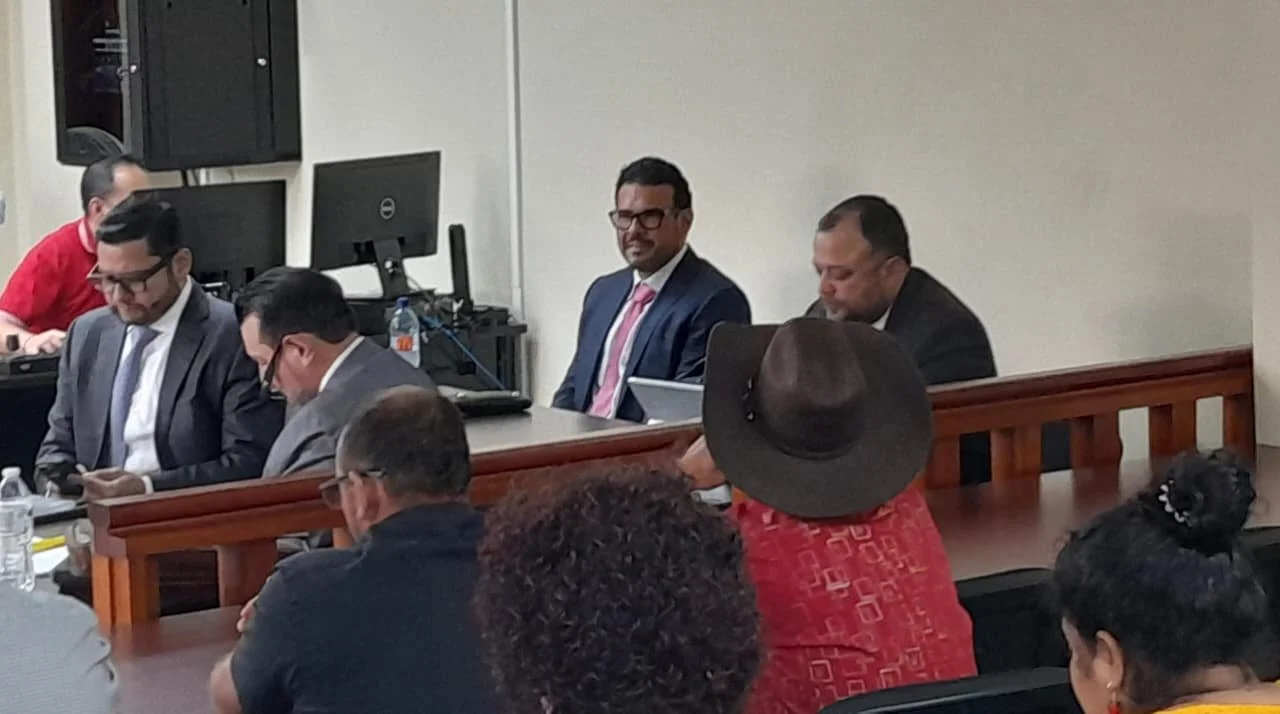
Lenir Perez in the arraignment hearing (Image Credit: Radio Progreso)
Historical Context
In the 1990’s, World Bank-led structural adjustment measures transformed the Bajo Aguán region of north-east Honduras from one of the nation’s primary sources of fruits, vegetables and basic grains into an African palm oil monoculture destined for export to insatiable Global North markets. Over the course of this process, thousands of campesinos were dispossessed of their farms to make way for massive palm plantations, owned by a handful of Honduran elite.
Since then, campesino cooperatives have engaged in a multi-decade struggle to recover their land, suffering violent repression by corporate and state entities as a result. The immediate post-coup period was especially brutal, taking the lives of approximately 150 small farmers by 2014. In recent years, many more have been murdered, disappeared, and criminalized. The vast majority of these crimes remain in impunity.
